
Sale!
Original price was: $89.97.$62.98Current price is: $62.98.
- Quality that lasts, prices that don't.
- Experience the difference quality makes.
- Satisfaction Guaranteed
- 100% High Quality Guarantee

Little King Dwarf River Birch Tree
Betula nigra ‘Little King’
Plant Details
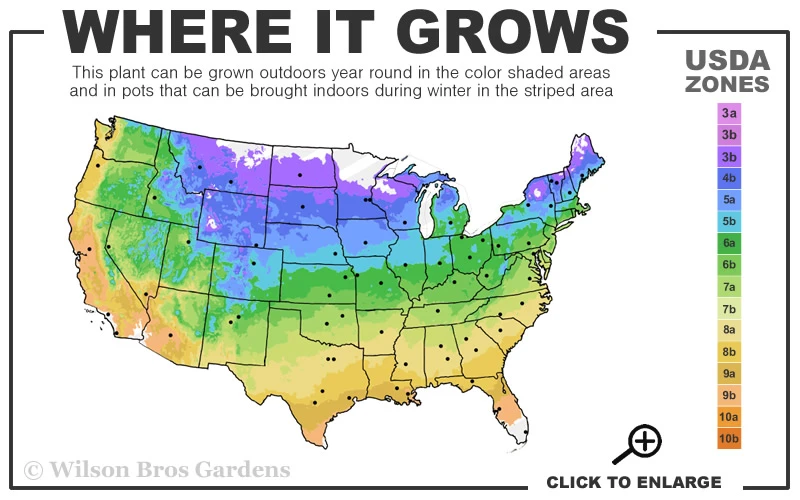
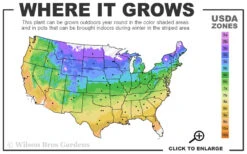
USDA Plant Hardiness Zones: 4a-9b (10 in cool-summer climates) Find Your Zone
Plant Type: Deciduous Tree
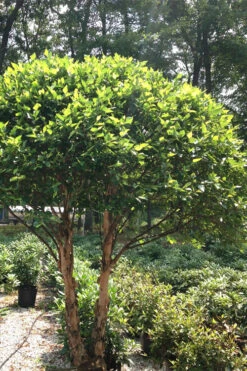
Height at Maturity: 10-12′
Width at Maturity: 10-12′
Spacing: Best as a specimen or in spaced grouping 15 feet apart
Spacing: Best as a specimen or in spaced grouping 15 feet apart
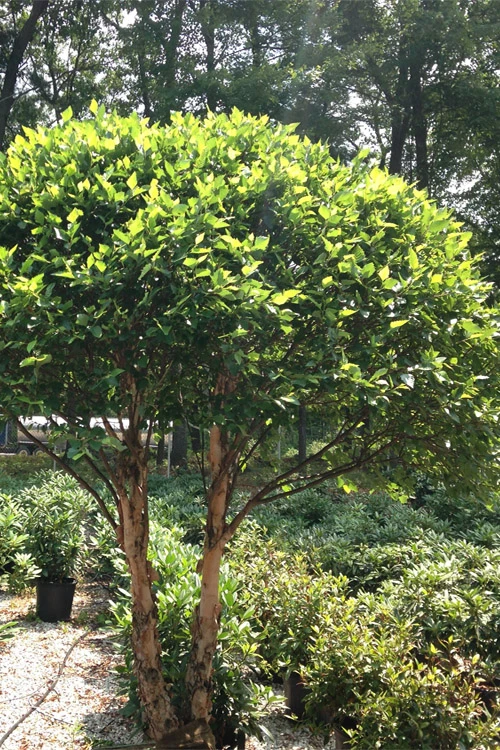
Growth Habit / Form: Upright, Pyramidal, Multi-Trunk
Growth Rate: Slow to Moderate
Flower Color: Produce brown catkins in spring
Flowering Period: Spring
Flower Type: Catkins
Fragrant Flowers: No
Foliage Color: Green shades
Fall Foliage Color: Yellow
Fall Foliage Color: Yellow
Fragrant Foliage: No
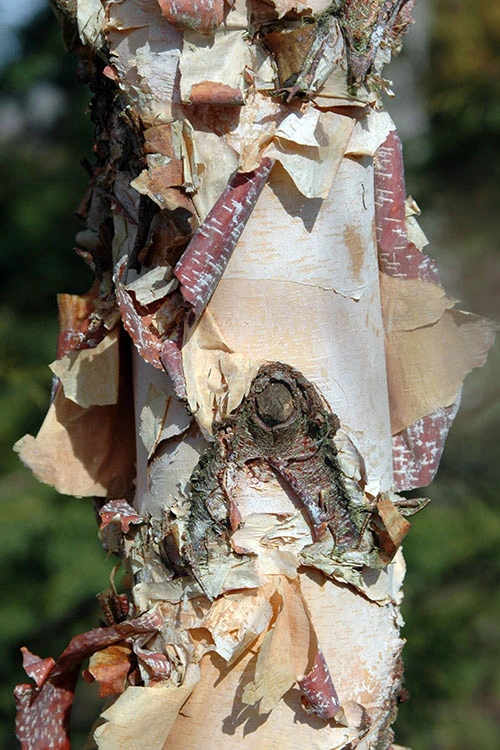
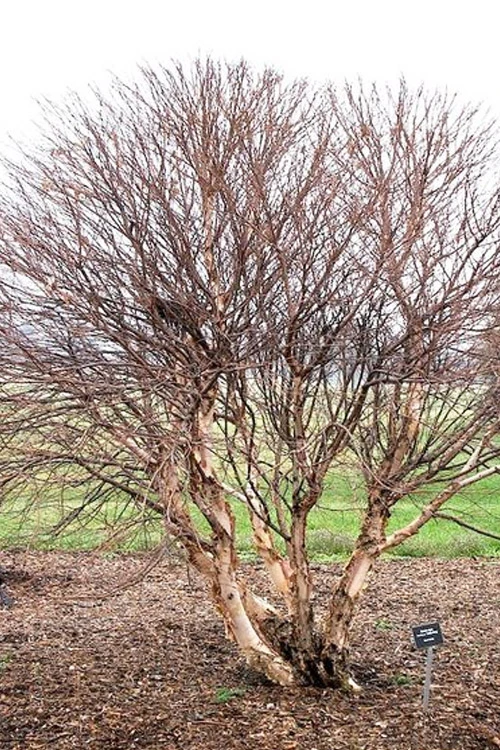
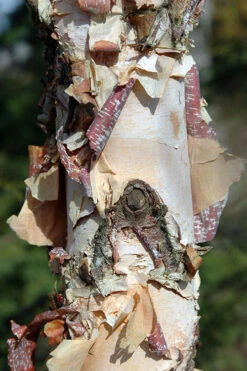
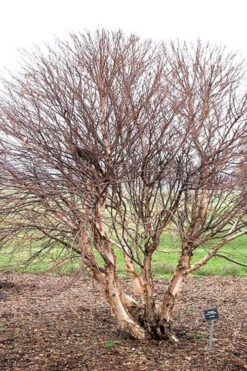
Bark Color: Peeling Brown surface bark with White underbark
Sun Needs: Full Sun or Part Shade, Morning Sun with Afternoon Shade, Morning Shade with Afternoon Sun
Water Needs: Average, lower when established
Soil Type: Clay, Loam, Sand, Silt – Fertile
Soil Drainage: Moist But Well Drained to Wet
Soil pH: 5.0 – 6.5
Maintenance / Care: Low
Attracts: Visual Attention, Birds
Resistances: Birch Borers, Deer, Disease, Heat, Humidity, Moderate Drought, Wet Soils
Description
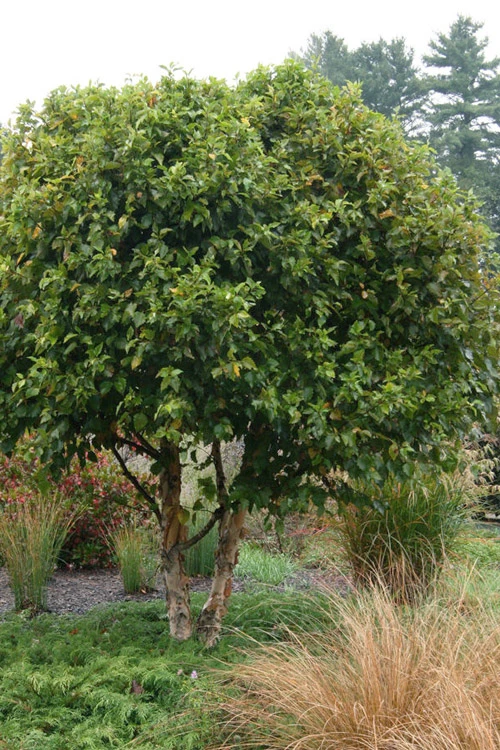
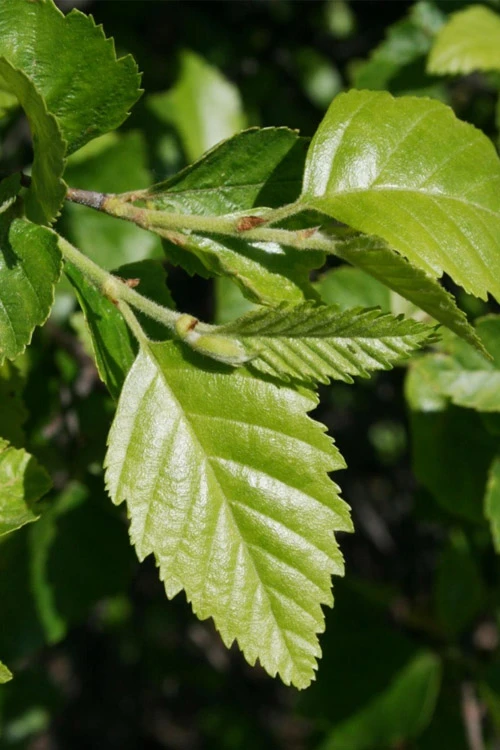
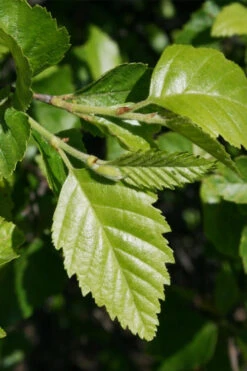
‘Little King’ is a diminutive selection of our North American native River Birch that reaches only 10 to 12 feet tall and equally wide when all grown up. This makes him a much better fit in smaller garden or landscape spaces. As with his parent, perhaps his most appealing and outstanding feature is the highly attractive peeling that reveals white underbark, which provides year-round interest in the landscape, especially during the winter. The rich green, diamond-shaped serrated leaves are about 3 inches long and wide, turning a nice yellow in fall before dropping to allow the fabulous bark to take the stage. A soft-textured tree that deserves a spot in every landscape where it will grow. USDA Zones 4a-9b in hot-summer climates and 4a-10b in cool-summer climates.
Betula nigra is one of the most heat-tolerant, disease-free, and insect-resistant birches…much more heat tolerant than northern white birches, which don’t adapt well at all to the heat in the South. Extremely resistant to the bronze birch borer and highly resistant to leaf spot diseases.
Landscape & Garden Uses
Growing 10 to 12 feet tall and equally as wide, the Little King River Birch tree is ideal for use as a specimen in smaller garden spaces or groupings in larger landscape spaces. Also nice to frame the corners of homes and other structures. Little King has shown higher tolerance to drought, so it can be grown in drier sites, but it also thrives in consistently moist soil, which makes it a fine candidate for low-lying areas or next to lakes, streams, rivers, or other bodies of water. A fine addition to native plant gardens and around garden ponds and other bodies of water.
Suggested Spacing: Best as a specimen or in spaced groupings at 15 feet apart for space between trees.
Growing Preferences
Being a North American native tree, the Little King River Birch is exceptionally easy to grow in various soil types, including clay, and likes full sun to part shade. We suggest at least 4 hours of direct sunlight daily. “River” in the name lets us know that it likes a consistently moist soil. That said, because it’s smaller and slower growing, Little King is more drought tolerant than the larger growing species and cultivars. It does not require pruning; however, as the tree grows taller lower branches can be removed to a desired height to expose more trunk. Avoid pruning in the spring when the tree is emerging from dormancy. Wait until May or June to prune.
Note: Find helpful advice from our experts under the Planting & Care tab above on desktop computer monitors or below on mobile devices.
Plant Long & Prosper!
Meet The Wilson Brothers & Staff
Questions? Contact Us!
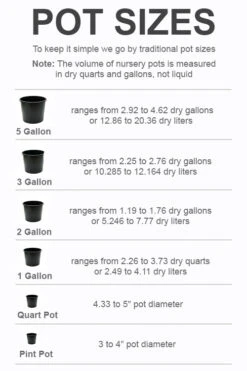
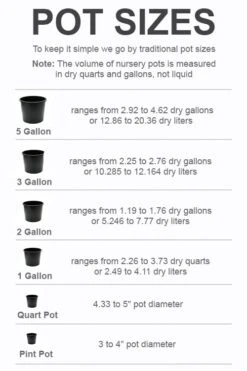
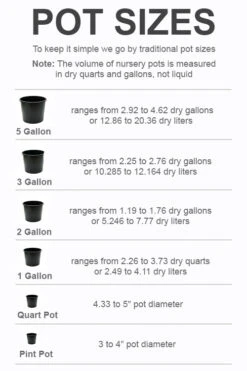
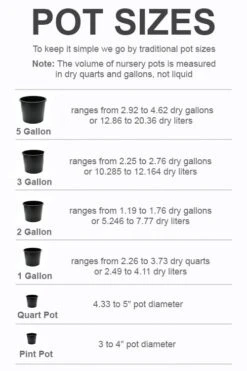
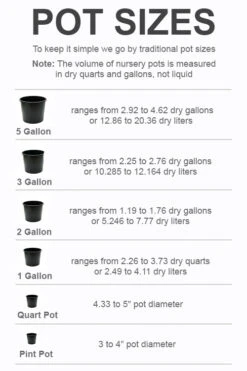
Be the first to review “Little King Dwarf River Birch Tree (Betula Nigra) – 3 Gallon Pot”
Related products
Sale!

Original price was: $64.85.$45.40Current price is: $45.40.
Sale!
Original price was: $219.97.$95.99Current price is: $95.99.
Sale!

Original price was: $189.97.$98.99Current price is: $98.99.
Sale!

Original price was: $44.97.$31.48Current price is: $31.48.
Sale!
Original price was: $249.97.$96.99Current price is: $96.99.
Sale!
Fast Growing Trees
Original price was: $138.85.$96.99Current price is: $96.99.
Sale!
Original price was: $109.97.$76.98Current price is: $76.98.
Sale!

Reviews
There are no reviews yet.