
Sale!
Original price was: $149.97.$99.99Current price is: $99.99.
- Quality that lasts, prices that don't.
- Experience the difference quality makes.
- Satisfaction Guaranteed
- 100% High Quality Guarantee

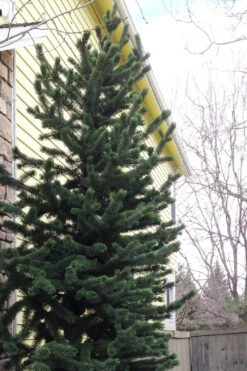
Rocky Mountain Bristlecone Pine
Pinus aristata
Other Names: Colorado Bristlecone Pine, Hickory Pine, Foxtail Pine
Plant Details
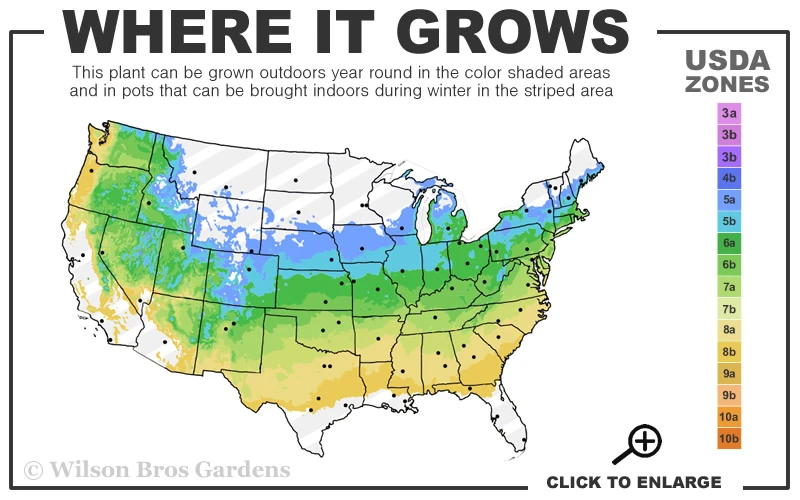
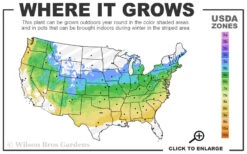
USDA Plant Hardiness Zones: 4a-7b Find Your Zone
Plant Type: Coniferous Evergreen Tree
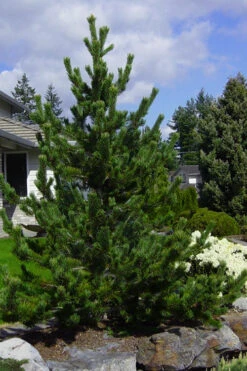
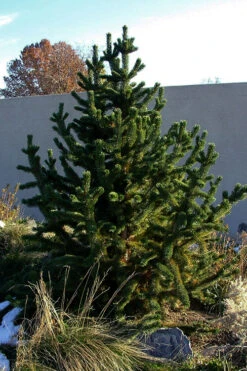
Height at Maturity: 8-20′, can be kept shorter with annual pruning
Width at Maturity: 10 to 15′ or more
Spacing: 18’+ for space between trees
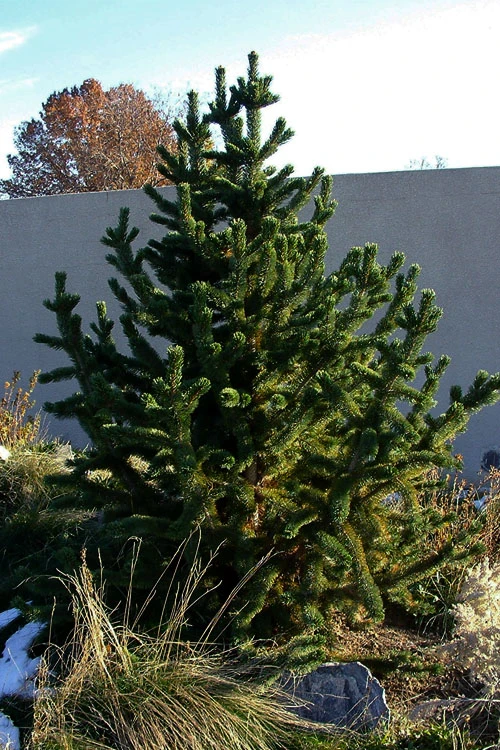
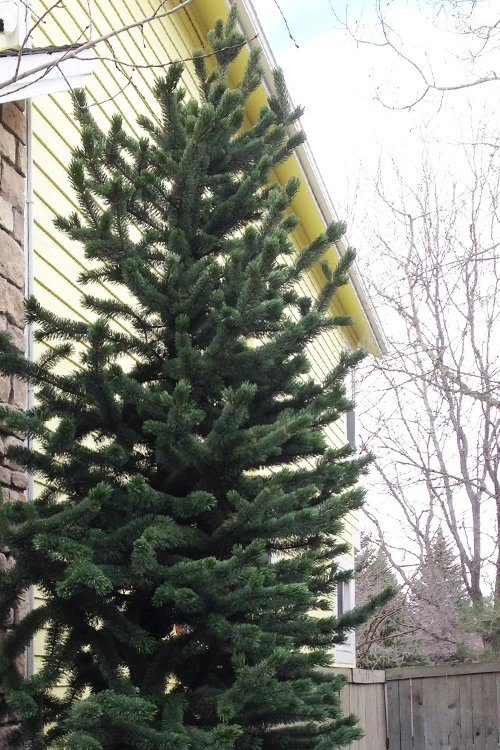
Growth Habit / Form: Upright, Broadly Pyramidal, Irregular
Growth Rate: Slow
Flower Color: NA
Flower Size: NA
Flowering Period: NA
Flower Type: NA
Fragrant Flowers: No
Foliage Color: Dark Green
Fragrant Foliage: Yes, aromatic, pine scent
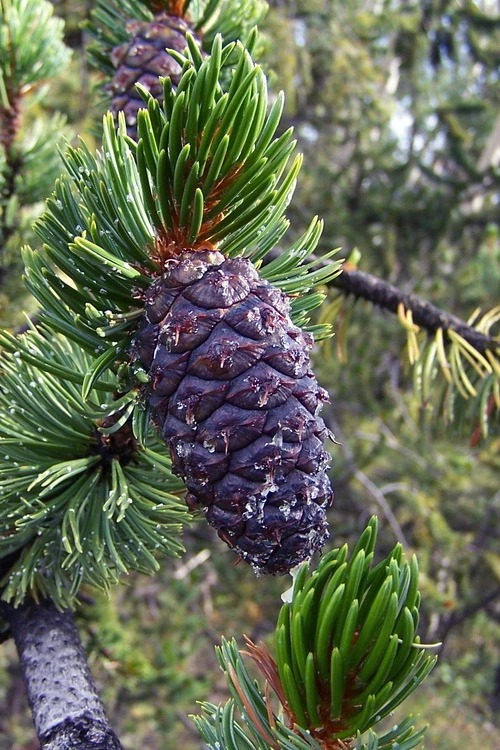
Cones: Yes
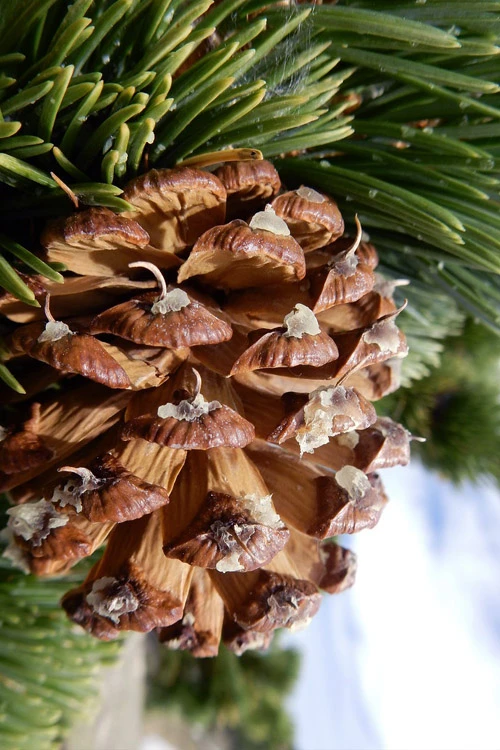
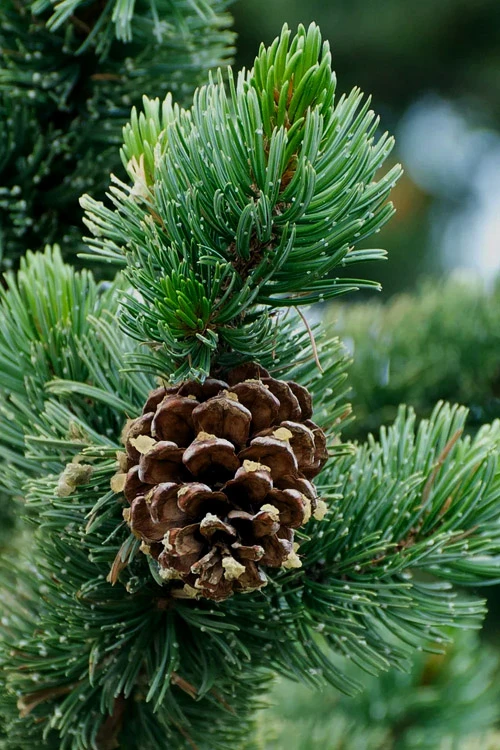
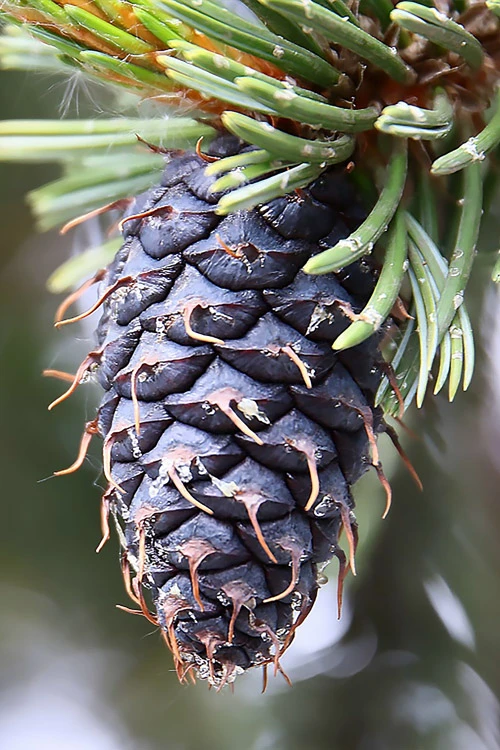
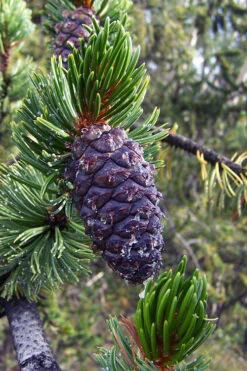
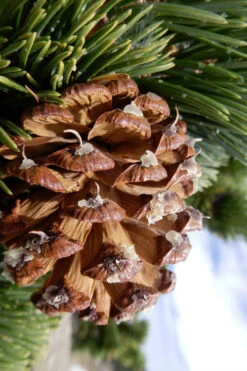
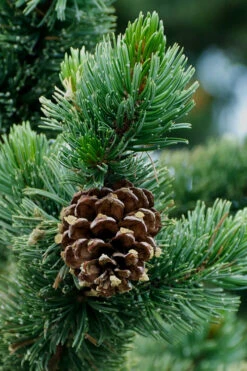
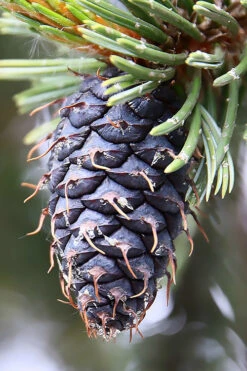
Cone Color: Purple when young aging to Bronze-Brown
Sun Needs: Full Sun or Mostly Sun; 6 hours or more of direct sunlight suggested per day
Water Needs: Very low when established
Soil Type: Clay (well draining), Loam, Rocky, Sandy, Silty
Soil Moisture / Drainage: Well-Drained; extremely drought tolerant when etsablished
Soil pH: 5.0 – 7.0 (Acid to Neutral)
Maintenance / Care: Very Low
Attracts: Birds, Visual Attention
Resistances: Deer – more info, Disease, Drought (high), Dry Soil, Insect
Description
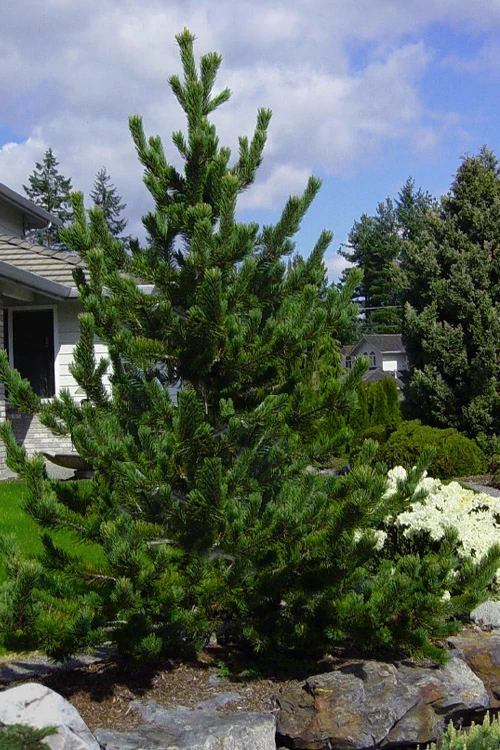
A wonderful North American native coniferous evergreen, the Rocky Mountain Bristlecone Pine lives to be older than any other tree. Some of the oldest single living specimens are over 4,000 years old! Even after death, the wood is so dense and resinous that the tree will remain standing for several hundred more years. A slow grower with a broad pyramidal form, it can reach 8 to 20 feet tall on average depending on pruning or training and 10 to 15 feet wide. The branches are densely clothed in aromatic, handsome blue-green needles covered with a resinlus fluid that makes them resistant to insects, fungus and other potential pests. The candlelike new growth, which forms on the tree in spring, can be pruned by up to 50 percent of their length to control the size and produce a more shrubby, dense form. Also, branches can be selectively removed from the tree to form very interesting and unique topiary forms. It produces two types of cones. The somewhat rounded pollen cones are bluish-red. The seed cones start out cylindrical and purple becoming bronze-brown as they open with age. Small mammals and birdsenjoy eating the black seeds. Extremely drought tolerant and adaptable to most any well-drained to even rocky, infertile and dry soil, it makes for a very low-maintenance and picturesque specimen in sunny landscape borders, rock gardens and the Xeriscape (low water needs). Also excellent in containers and for bonsai. Sure to be an interesting conversation piece in the landscape!
Landscape & Garden Uses
The Rocky Mountain Brostlecome Pine is ideal for use as a unique specimen in sunny landscape borders, home foundation plantings and rock gardens. It’s slow growth makes it an excellent choice in containers for a interesting patio tree or bosnai that is sure to be a conversation piece. It’s extremely high tolerance of drought makes it suitable for the Xeriscape (Low water needs). A fine addition to native plant gardens and Asian gardens.
Suggested Spacing: 18 feet or more apart for space between trees
Growing Preferences
The Rocky Mountain Bristlecone Pine is very easy to grow in most any moist but well-drained to dry soil of average to infertile soils, including rocky and gritty soils. It prefers full to mostly sun. We suggest 6 hours or more of direct sunlight per day. With these conditions, it has no pest or disease problems. As with so many other ornamental trees, constantly soggy soil can cause problems with the roots. Does not require pruning however can be trimmed annually in late winter to maintain a smaller plant or pruned regularly for very interesting topiary forms. How To Prune A Pine Tree or Shrub Pine
Helpful Articles
Click on the link below to find helpful planting and care advice from our experts.
How To Prune A Pine Tree or Shrub Pine
Plant Long & Prosper!
Meet The Wilson Brothers & Staff
Questions? Contact Us
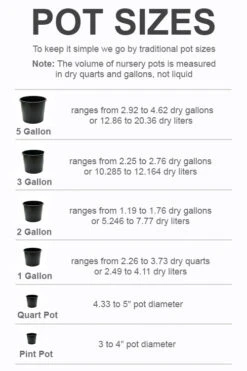
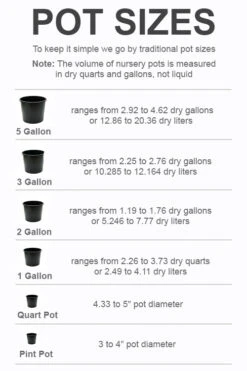
Be the first to review “Rocky Mountain Bristlecone Pine (Pinus Aristata) – 3 Gallon Pot”
Related products
Sale!
Original price was: $118.85.$83.20Current price is: $83.20.
Sale!
Original price was: $199.97.$95.99Current price is: $95.99.
Sale!
Original price was: $169.97.$98.99Current price is: $98.99.
Sale!

Original price was: $44.97.$31.48Current price is: $31.48.
Sale!

Original price was: $189.97.$98.99Current price is: $98.99.
Sale!
Fast Growing Trees
Original price was: $138.85.$96.99Current price is: $96.99.
Sale!
Original price was: $56.97.$39.88Current price is: $39.88.
Sale!

Fall Color Trees
Chestnut Oak Tree (Quercus Prinus) – 3 Pack Of 1.5 Quart Pots
Original price was: $59.97.$41.98Current price is: $41.98.
Reviews
There are no reviews yet.